Ultimately, a successful romantic narrative concludes not just with a "Happily Ever After," but with the sense that the characters are better, more self-aware versions of themselves because they found one another.
The most enduring romantic storylines begin with individuals, not couples. For a relationship to feel authentic, both characters must have clear internal lives—flaws, goals, and "ghosts" (past traumas or beliefs) that exist independently of the romance.
This is the "meat" of the relationship. It involves the gradual peeling back of layers. Shared secrets, small sacrifices, and moments of vulnerability build a bridge between the characters. In modern storytelling, this phase is often where the "Slow Burn" lives, emphasizing emotional connection over immediate physical gratification.
Beyond entertainment, romantic storylines provide a safe space to explore complex social dynamics and ethics. They tackle themes of consent, equality, and the healthy (or unhealthy) ways people communicate. By watching characters navigate the messy, non-linear path of a relationship, the audience gains insight into their own capacity for connection and the work required to maintain it.
In the landscape of storytelling, romantic relationships are rarely just about "falling in love." They serve as the emotional engine of a narrative, driving character growth, raising stakes, and offering a mirror to the human condition. A well-crafted romantic storyline doesn't just depict a partnership; it explores the tension between desire and duty, the fear of vulnerability, and the transformative power of intimacy. The Foundation: Character over Chemistry
Every great romance must face a breaking point. This is usually triggered by a character’s internal flaw or a misunderstanding that forces them to choose between their old self and the potential of the relationship. To move forward, one or both characters must undergo a fundamental internal shift. The Role of Conflict: Internal vs. External
A compelling romantic storyline generally follows a structure of pursuit, conflict, and resolution, often categorized into three key phases:
This isn't just the first meeting; it’s the moment the status quo is disrupted. It establishes the "hook"—whether it’s instant attraction, mutual loathing (the "enemies-to-lovers" trope), or a shared external goal.
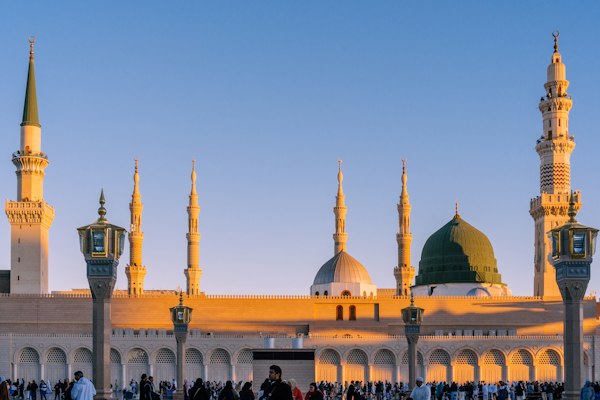
Dedicated to spreading the beauty and wisdom of the Holy Quran
At Fazal Quran Academy, we are committed to providing high-quality Quranic education to students worldwide. Our mission is to make learning the Quran accessible, engaging, and spiritually enriching for learners of all ages and backgrounds.
Years
Students Taught
Certified Tutors
Ultimately, a successful romantic narrative concludes not just with a "Happily Ever After," but with the sense that the characters are better, more self-aware versions of themselves because they found one another.
The most enduring romantic storylines begin with individuals, not couples. For a relationship to feel authentic, both characters must have clear internal lives—flaws, goals, and "ghosts" (past traumas or beliefs) that exist independently of the romance.
This is the "meat" of the relationship. It involves the gradual peeling back of layers. Shared secrets, small sacrifices, and moments of vulnerability build a bridge between the characters. In modern storytelling, this phase is often where the "Slow Burn" lives, emphasizing emotional connection over immediate physical gratification. www,indianbfvideos,com,gori,ladki,ki,sexy,chut,video
Beyond entertainment, romantic storylines provide a safe space to explore complex social dynamics and ethics. They tackle themes of consent, equality, and the healthy (or unhealthy) ways people communicate. By watching characters navigate the messy, non-linear path of a relationship, the audience gains insight into their own capacity for connection and the work required to maintain it.
In the landscape of storytelling, romantic relationships are rarely just about "falling in love." They serve as the emotional engine of a narrative, driving character growth, raising stakes, and offering a mirror to the human condition. A well-crafted romantic storyline doesn't just depict a partnership; it explores the tension between desire and duty, the fear of vulnerability, and the transformative power of intimacy. The Foundation: Character over Chemistry This is the "meat" of the relationship
Every great romance must face a breaking point. This is usually triggered by a character’s internal flaw or a misunderstanding that forces them to choose between their old self and the potential of the relationship. To move forward, one or both characters must undergo a fundamental internal shift. The Role of Conflict: Internal vs. External
A compelling romantic storyline generally follows a structure of pursuit, conflict, and resolution, often categorized into three key phases: In modern storytelling, this phase is often where
This isn't just the first meeting; it’s the moment the status quo is disrupted. It establishes the "hook"—whether it’s instant attraction, mutual loathing (the "enemies-to-lovers" trope), or a shared external goal.
Excellence in Quranic education with modern teaching methods
Flexible scheduling to fit your lifestyle with classes available round the clock.
Learn from qualified and experienced teachers with proper Islamic education credentials.
Experience our teaching quality with a complimentary trial class before enrollment.
Monitor your learning journey with detailed progress reports and assessments.
Personalized attention with individual classes tailored to your learning pace.
Join students from around the world in a supportive learning environment.
Hear from our satisfied students and their families
Ready to start your Quranic journey? Contact us today!
fazalquranacademy24@gmail.com
Lahore, Pakistan