|
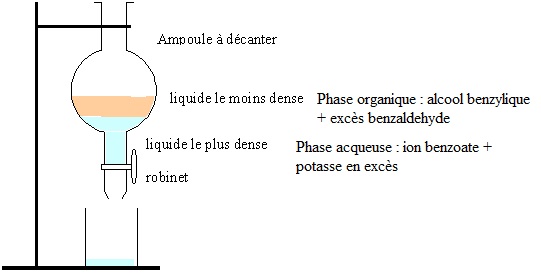
Synthèse de Cannizzaro, bac Métropole 2021. En poursuivant votre navigation sur ce site, vous acceptez l’utilisation de Cookies vous proposant des publicités adaptées à vos centres d’intérêts. ..
..
Kent’s prose is noted for its high-octane emotionality and poetic angst. She leans into the melodrama of New Adult fiction, creating an atmosphere that feels claustrophobic and intense. The setting of St. Mary’s acts as a pressure cooker, forcing the characters into constant proximity. This stylistic choice mirrors the internal state of the protagonists—turbulent, dark, and relentless. Conclusion "The Hatesick Diaries" by Saffron A. Kent is a quintessential example of the "enemies-to-lovers" trope taken to a visceral, psychological extreme. Part of the St. Mary’s Rebels series, the novel explores the thin, often blurred line between intense hatred and obsessive desire. Through the characters of Calliope Thorne and Reed Rivers, Kent crafts a narrative that is less about a traditional romance and more about the catharsis found in shared trauma and mutual destruction. The Anatomy of Obsession The Hatesick Diaries by Saffron A. Kent Reed Rivers is portrayed as the classic "anti-hero"—cold, powerful, and seemingly untouchable. Calliope, conversely, represents a defiant vulnerability. Much of the tension arises from their struggle for dominance. However, Kent subverts the typical "bully" narrative by revealing that Reed’s cruelty is a defensive mechanism against his own burgeoning feelings. The "diaries" of the title serve as a metaphor for the secrets they keep from the world and eventually from each other, highlighting the idea that true intimacy only occurs when one's "hated" enemy becomes the only person capable of seeing their truth. Style and Atmosphere Kent’s prose is noted for its high-octane emotionality The core of the novel lies in the "hatesick" dynamic—a state where two people are so consumed by their resentment of one another that it becomes their primary form of intimacy. Calliope and Reed do not merely dislike each other; they are tethered by a history of perceived betrayals and power imbalances. Kent uses this animosity to strip away social pretenses, allowing the characters to be their most raw and "ugly" selves. This suggests a provocative theme: that hate, like love, requires a profound level of attention and emotional investment. Power Dynamics and Vulnerability Mary’s acts as a pressure cooker, forcing the "The Hatesick Diaries" is a study in the complexity of human connection. It posits that healing doesn't always come from a "gentle" love; sometimes, it comes from finding someone who understands your darkness because they share it. While the intensity of Calliope and Reed’s relationship may be polarizing, the novel successfully interrogates the ways in which pain can be transformed into a powerful, albeit unconventional, bond. Mary's Rebels series?
|
||||||||
|
|
||||||||