Please wait...
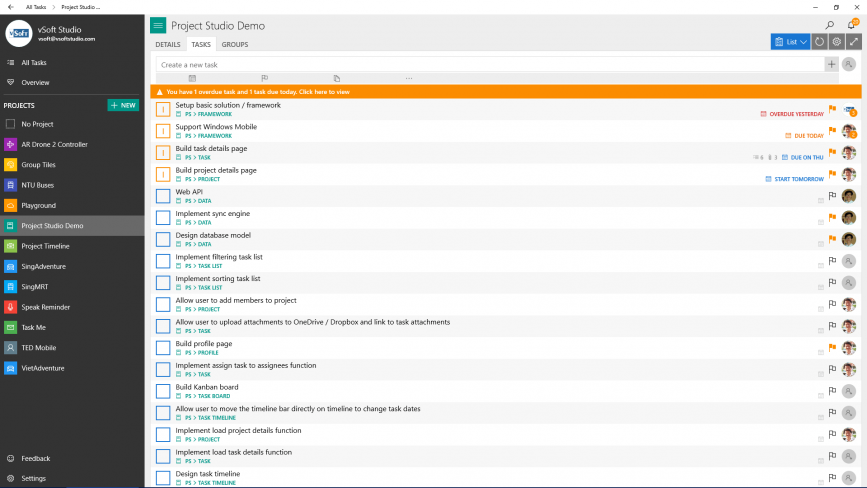
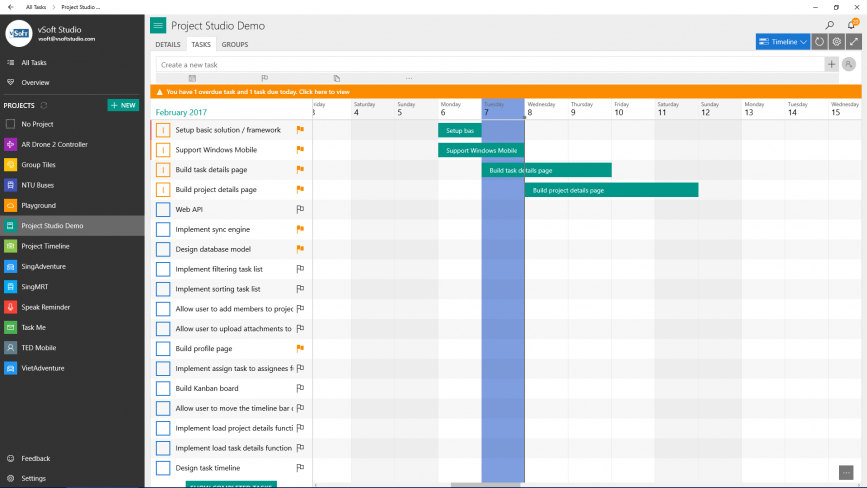
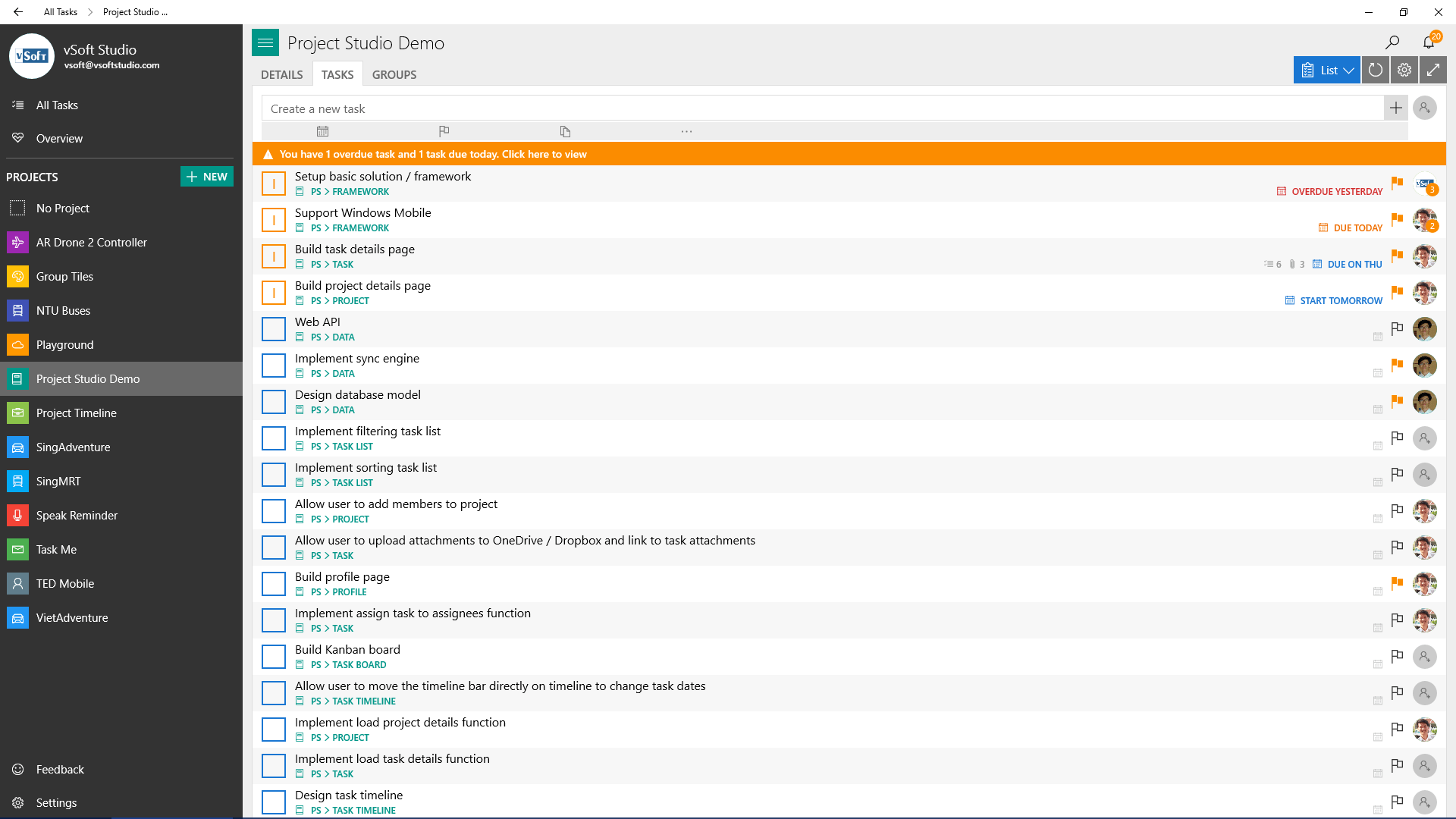
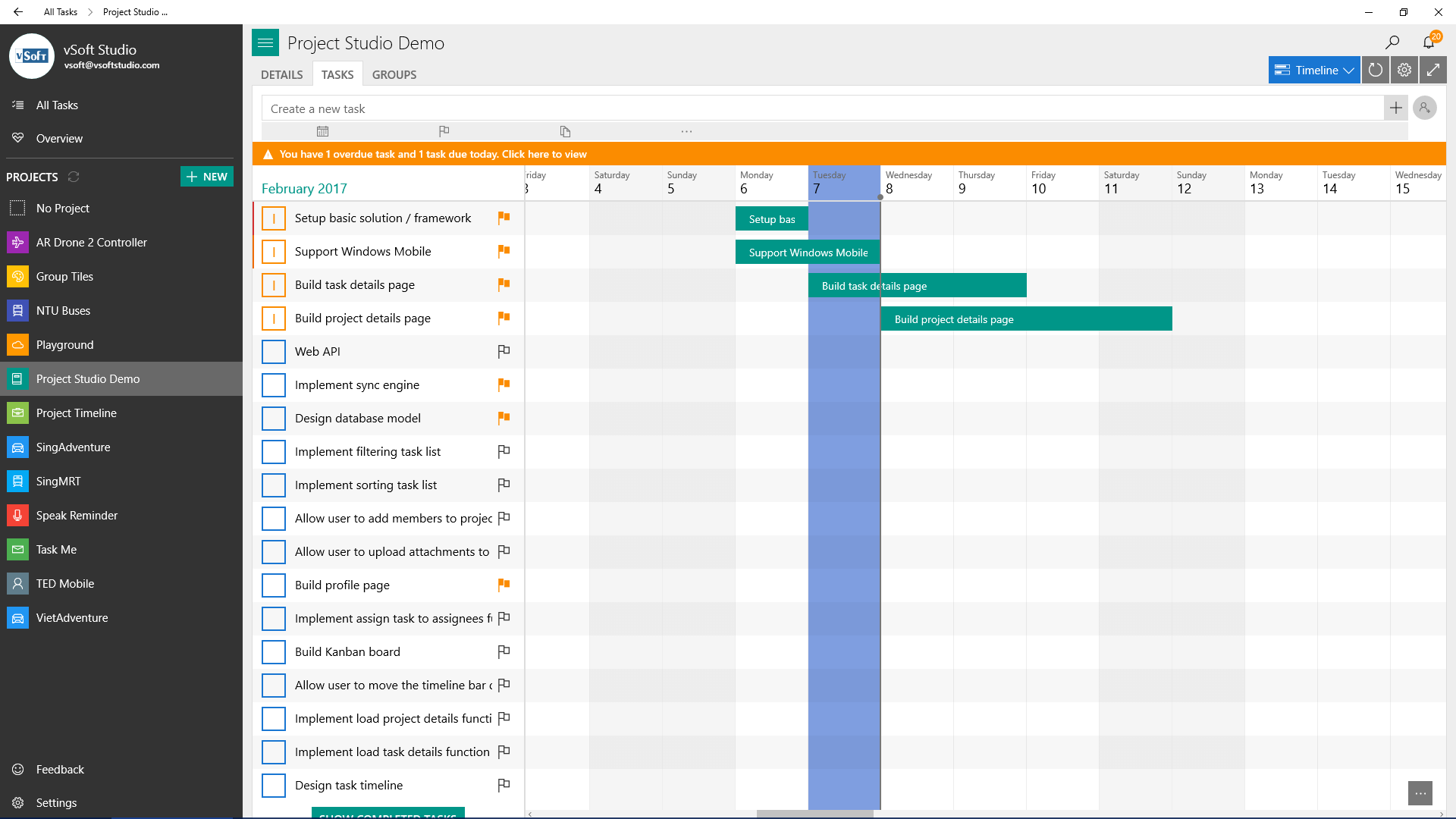
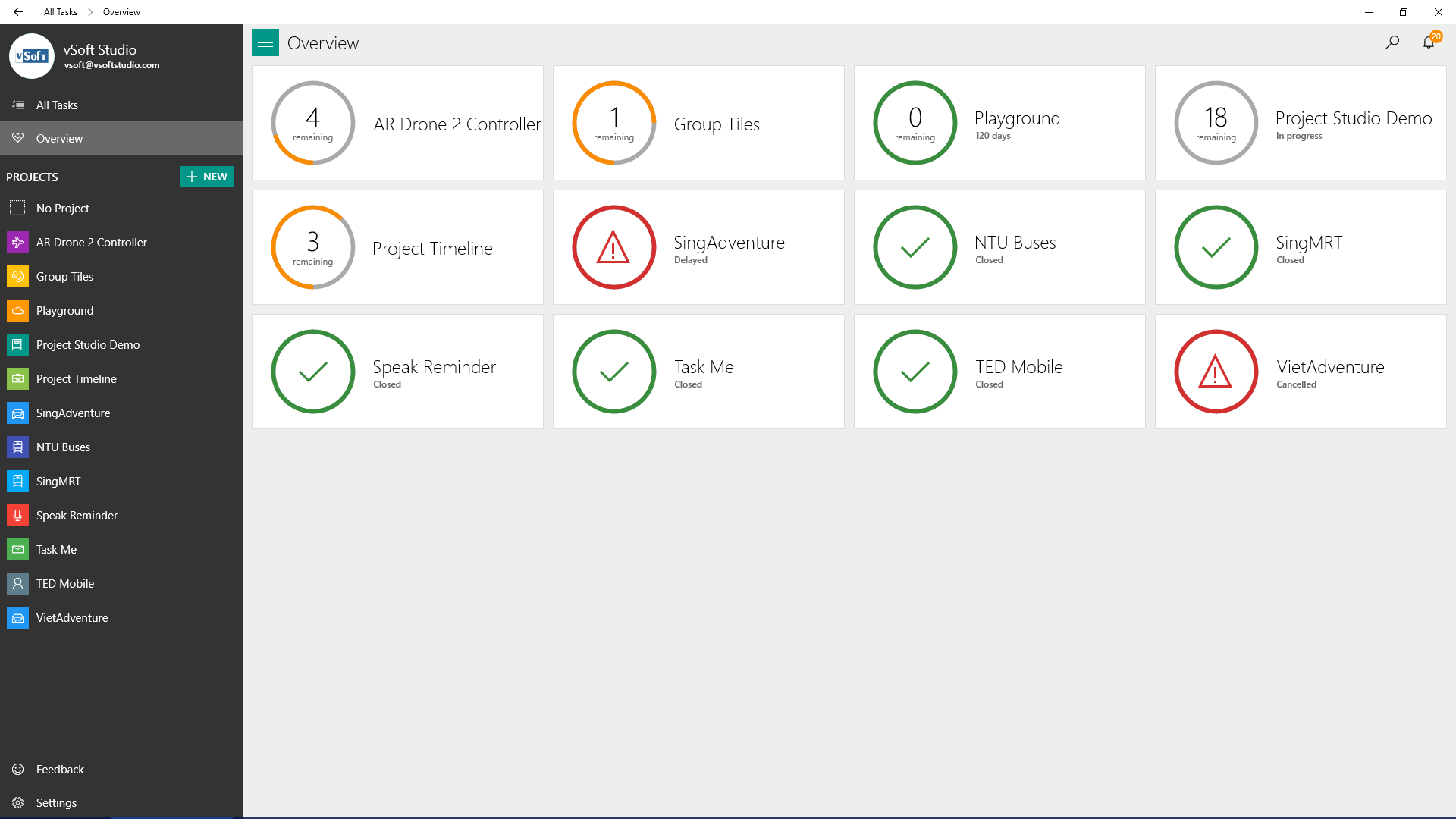
Easily switching among simple lists, timeline and Kanban board (coming soon) allows you to conveniently keep track of your projects anywhere anytime.
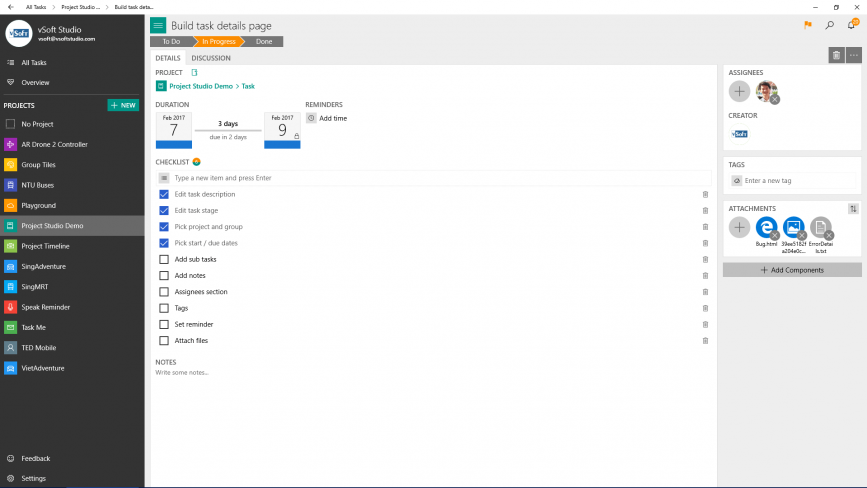
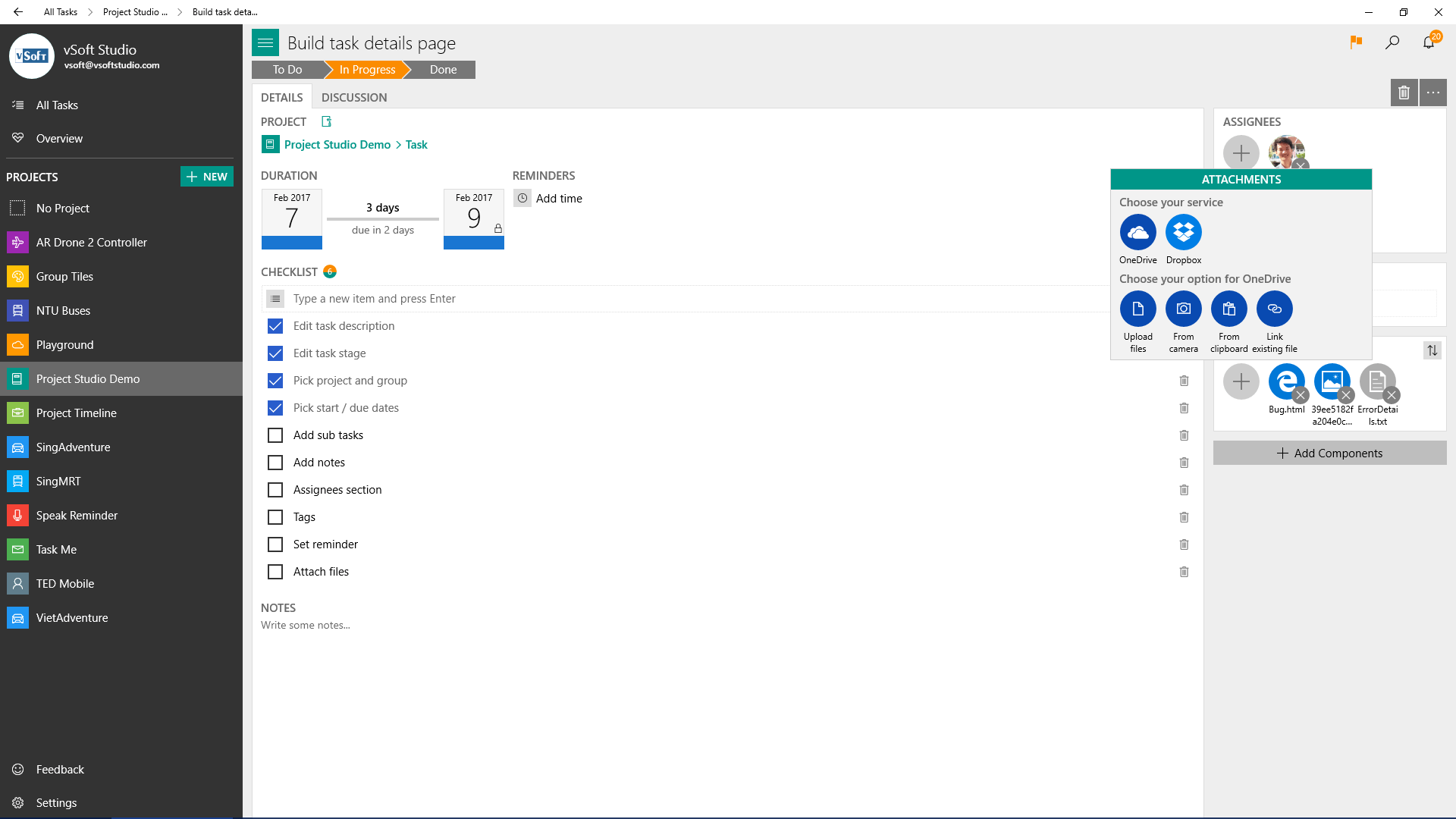
Attach any files from your OneDrive or Dropbox to any tasks, and share them with the team.
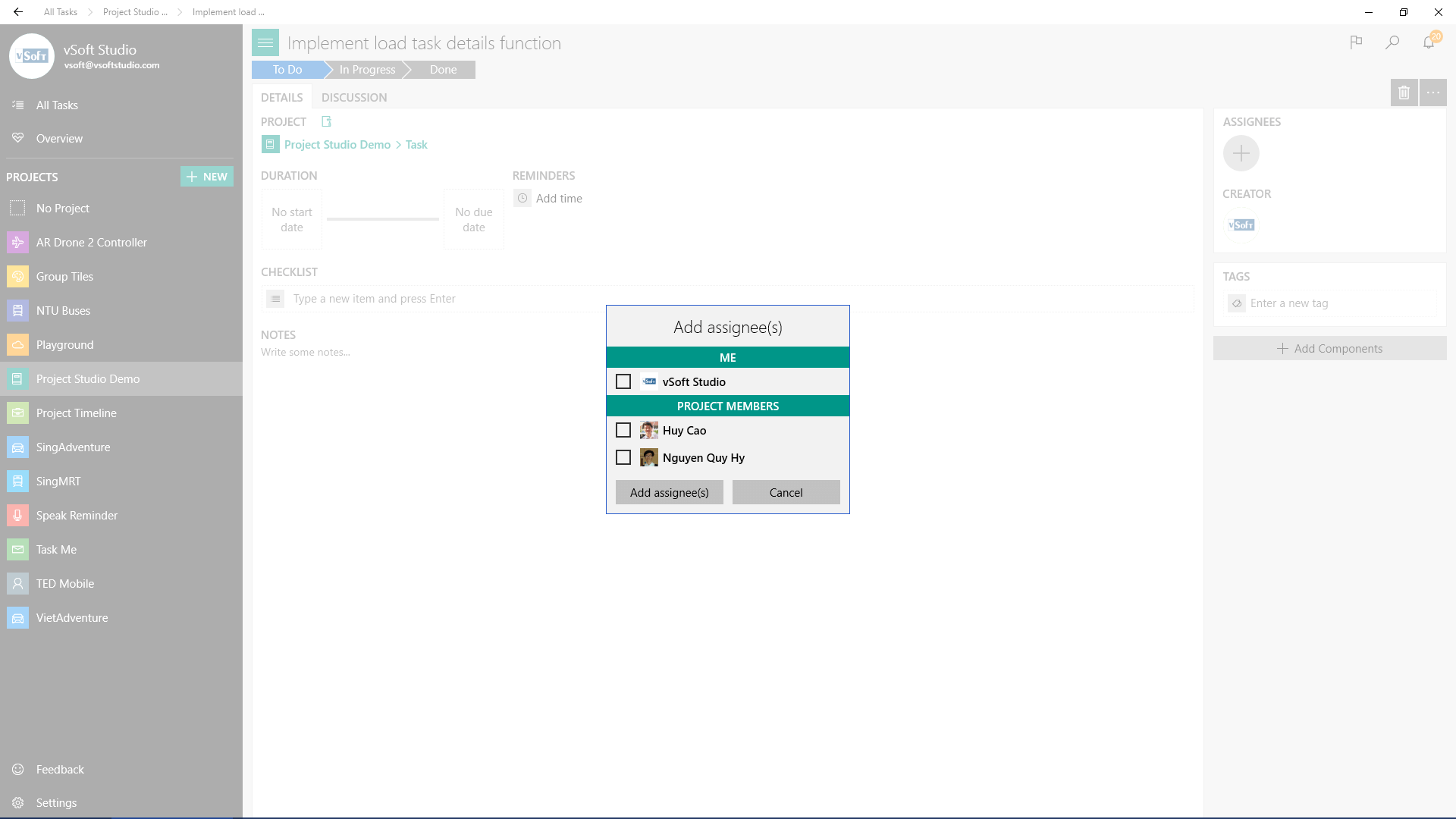
Form your team, invite your friends or colleagues to the projects and work together. You can also control who can view or edit the tasks.
Get notified instantly when you are invited to a project, have a task assigned, or your colleague has completed a task, and more activities.
Feel both comfortable and familiar while managing tasks across your 27-inch PC, 10-inch tablet or 4-inch phone.
It serves as a communal release of daily frustrations, turning a concert into a shared, cathartic ritual.
Even with the band finishing their final tour in 2019, the legacy of the "Slayer fan scream" lives on in metal culture. It remains a hallmark of extreme music—a defiant, loud affirmation that the music is still as dangerous and exciting as ever. The ? A comparison to other fanbases?
These screams are most often heard during iconic moments in live sets—specifically, right before Tom Araya screams the opening line of "Angel of Death," or during the frantic buildup to the chorus of "Raining Blood" [2].
Screaming is a bonding mechanism. It signifies, "I am here, I am part of this, and I am loving the chaos" [1].
It is often a reaction to hearing the first few notes of a favorite, fast-paced song, acting as a signal to fellow fans that the mosh pit is about to become dangerously intense. Why Slayer Fans Scream
It is a raw, guttural, and sometimes operatic shriek that originates from the gut. It is an cathartic release, often shouted at maximum volume regardless of whether the person is in the front row or the back of the arena [1].
Slayer’s music is famously fast and aggressive. The scream is the physical manifestation of that sonic velocity [2].
While different, the ubiquitous, deep-throated chanting of "SLAYER!" in between songs also fuels the high-pitched screams of excitement, creating a wall of sound that is 100% fan-driven [2].




It serves as a communal release of daily frustrations, turning a concert into a shared, cathartic ritual.
Even with the band finishing their final tour in 2019, the legacy of the "Slayer fan scream" lives on in metal culture. It remains a hallmark of extreme music—a defiant, loud affirmation that the music is still as dangerous and exciting as ever. The ? A comparison to other fanbases?
These screams are most often heard during iconic moments in live sets—specifically, right before Tom Araya screams the opening line of "Angel of Death," or during the frantic buildup to the chorus of "Raining Blood" [2]. slayer fan screams!
Screaming is a bonding mechanism. It signifies, "I am here, I am part of this, and I am loving the chaos" [1].
It is often a reaction to hearing the first few notes of a favorite, fast-paced song, acting as a signal to fellow fans that the mosh pit is about to become dangerously intense. Why Slayer Fans Scream It serves as a communal release of daily
It is a raw, guttural, and sometimes operatic shriek that originates from the gut. It is an cathartic release, often shouted at maximum volume regardless of whether the person is in the front row or the back of the arena [1].
Slayer’s music is famously fast and aggressive. The scream is the physical manifestation of that sonic velocity [2]. Screaming is a bonding mechanism
While different, the ubiquitous, deep-throated chanting of "SLAYER!" in between songs also fuels the high-pitched screams of excitement, creating a wall of sound that is 100% fan-driven [2].