Советы по временной лицензии
1
Зарегистрируйтесь, используя ваш рабочий e-mail адрес. Бесплатные почтовые сервисы запрещены.

2
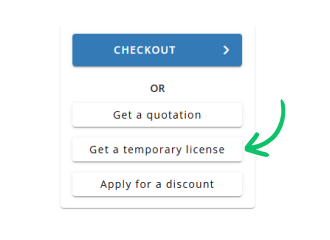
Используйте кнопку Получить временную лицензию на втором шаге.
✕
The string "M@imee@5m4-P@t430n.P1ctur35.zip" appears to be a obfuscated or encoded filename, likely referring to content from a platform like . Developing a "solid feature" for a compressed archive of images or media involves several technical and organizational steps to ensure the data is usable and well-structured. Core Development Steps Extraction and Integrity Verification
import zipfile import os def process_archive(file_path, extract_path): with zipfile.ZipFile(file_path, 'r') as zip_ref: # Check for zip bomb safety if sum(file.file_size for file in zip_ref.infolist()) > 1e9: # 1GB limit raise Exception("File too large for safe extraction") zip_ref.extractall(extract_path) print(f"Features developed: Integrity verified and extracted to {extract_path}") # Example usage # process_archive('M@imee@5m4-P@t430n.P1ctur35.zip', './extracted_content') Use code with caution. Copied to clipboard M@imee@5m4-P@t430n.P1ctur35.zip
Use libraries like in Python or libzip in C++ to programmatically extract content. The string "M@imee@5m4-P@t430n
Are you looking to build a for these files or a local automation script to organize them? Copied to clipboard Use libraries like in Python
For more advanced image processing features, you might integrate tools like the Pillow (PIL) library to handle the actual "P1ctur35" content after extraction.
Archives from third-party sources should be scanned for malicious scripts or "zip bombs" (highly compressed files designed to crash a system upon extraction).