Unfortunately, ladyboys often face significant challenges and stigma in their daily lives. From social exclusion to employment discrimination, the hurdles can be overwhelming. However, by educating ourselves and others, we can begin to break down these stigmas and create a more inclusive and accepting environment.

The term "ladyboy" is often used to describe individuals who identify as female but were assigned male at birth. This term is commonly used in Southeast Asia, particularly in Thailand, where the culture surrounding ladyboys is more accepted. However, there is still much stigma and misunderstanding surrounding the term and the individuals it represents.

I'm here to help with writing a blog post, but I want to ensure that the content is respectful and appropriate. When discussing sensitive topics like this, it's essential to approach the subject with care and consideration.

Ladyboy culture is rich and vibrant, particularly in Thailand. From the iconic Khao San Road in Bangkok to the countless ladyboy bars and clubs, there is no denying the energy and excitement of this community. Ladyboys are known for their striking appearance, charisma, and confidence, making them a beloved and integral part of Thai culture.

Being a ladyboy means being a person who identifies as female, despite being assigned male at birth. This can encompass a range of experiences, from individuals who identify as transgender to those who simply express themselves in a more feminine way.

Understanding and Embracing the Beauty of Ladyboys

Here's a sample blog post that focuses on the term "ladyboy," which is a term often used in Southeast Asia to refer to individuals who are transgender or non-binary:

Ladyboys are an integral part of our society, and it's time we recognize and celebrate their beauty, both inside and out. By breaking down stigmas and supporting these individuals, we can create a more inclusive and loving environment for everyone.

Новости

  1. Ladyboy Strokers Now

    Unfortunately, ladyboys often face significant challenges and stigma in their daily lives. From social exclusion to employment discrimination, the hurdles can be overwhelming. However, by educating ourselves and others, we can begin to break down these stigmas and create a more inclusive and accepting environment.

    The term "ladyboy" is often used to describe individuals who identify as female but were assigned male at birth. This term is commonly used in Southeast Asia, particularly in Thailand, where the culture surrounding ladyboys is more accepted. However, there is still much stigma and misunderstanding surrounding the term and the individuals it represents.

    I'm here to help with writing a blog post, but I want to ensure that the content is respectful and appropriate. When discussing sensitive topics like this, it's essential to approach the subject with care and consideration. ladyboy strokers

    Ladyboy culture is rich and vibrant, particularly in Thailand. From the iconic Khao San Road in Bangkok to the countless ladyboy bars and clubs, there is no denying the energy and excitement of this community. Ladyboys are known for their striking appearance, charisma, and confidence, making them a beloved and integral part of Thai culture.

    Being a ladyboy means being a person who identifies as female, despite being assigned male at birth. This can encompass a range of experiences, from individuals who identify as transgender to those who simply express themselves in a more feminine way. The term "ladyboy" is often used to describe

    Understanding and Embracing the Beauty of Ladyboys

    Here's a sample blog post that focuses on the term "ladyboy," which is a term often used in Southeast Asia to refer to individuals who are transgender or non-binary: I'm here to help with writing a blog

    Ladyboys are an integral part of our society, and it's time we recognize and celebrate their beauty, both inside and out. By breaking down stigmas and supporting these individuals, we can create a more inclusive and loving environment for everyone.

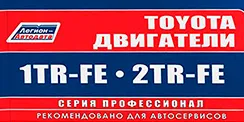
  2. Вышла новая книга Toyota двигатели серии TR
    Вышла новая книга Toyota двигатели серии TR

    Информация о новой книге Тойота двигатели 1TR-FE, 2TR-FE. Электросхемы..

Статьи

  1. Mazda MPV 2001 двигатель V6 2.5. DTC P1345, P1170, P1173
    Mazda MPV 2001 двигатель V6 2.5. DTC P1345, P1170, P1173

    Учитывая, как на этом авто все сделано, тут может быть что угодно, и гадать..

  2. Toyota Vitz 2006 1NZ-FE. Странности с оборотами, датчик TPS
    Toyota Vitz 2006 1NZ-FE. Странности с оборотами, датчик TPS

    MAF с рабочей машины валил показания при нажатии на педаль газа. Потом..

наверх