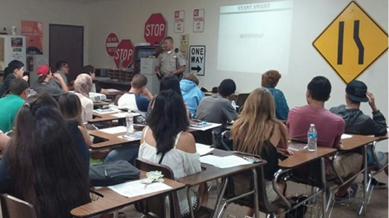


Wer bei der schriftlichen Prüfung 0 Fehler erreicht, erhält einen 100,00 Euro Nachlass und auch bei 3 Fehlerpunkten einen Nachlass von 50,00 Euro für die praktische Prüfung!
: The essay often touches on the "disposable" nature of digital files. Once a file is viewed or used, it is often deleted or forgotten, reflecting the fleeting and hollow nature of online fetishization.
If you are looking for a specific author or publication that featured this title, it is often associated with modern digital-age literary circles or zines that focus on and the critique of internet culture .
The essay typically serves as a social commentary on how the internet compresses complex human identities into "files" or "zip folders" for consumption.
: The title mimics the naming conventions of early internet pornography or clickbait. By using this title for an essay, the author often subverts the reader's expectation, turning a voyeuristic "search term" into a critique of the "yellow fever" and racial stereotypes prevalent in Western media.
The phrase is a recurring title for a short essay or piece of experimental writing that explores the intersection of digital media, fetishization, and the dehumanization of Asian women in online spaces.
: A "zip" file implies a container where many things are packed together into one unit. This mirrors the stereotyping of Asian women as a monolithic group, stripping away individual heritage, personality, and agency in favor of a singular, sexualized image.
: The use of a file extension like .zip symbolizes how people—specifically Asian women in this context—are often reduced to downloadable, interchangeable commodities. It suggests that a person's entire identity can be "zipped" up and consumed as a collection of pixels.