Basima Vurdun Da Deli Ettin Beni

Basima Vurdun Da Deli Ettin Beni Apr 2026

is a classic Turkish folk-style song (Türkü) that has become an enduring staple of the "Arabesque" and folk music genres in Turkey. Origin and Performance

The track was notably produced by two giants of Turkish music, Orhan Gencebay and Arif Sağ , which contributed to its high-quality blend of traditional folk instruments and emotive arrangements. Basima Vurdun Da Deli Ettin Beni

It includes lines like "You turned my bread and meal into poison" and "You turned my hair white at a young age," highlighting how the emotional pain manifests as physical suffering. is a classic Turkish folk-style song (Türkü) that

The song has also been performed by other prominent figures in the genre, such as the master of the "Sıra Gecesi" tradition, Kazancı Bedih , who gave it a more authentic, local flavor. Lyric Analysis and Meaning The song has also been performed by other

The song is characterized by its use of traditional instruments like the (Turkish lute). Tatlıses’ version infuses the raw emotion of Arabesque, a genre known for its dramatic vocals and themes of fate ( kader ).

It was featured on his iconic album Ayağında Kundura , released in the late 1970s (specifically 1978) under the Türküola Müzik label.

While the lyrics and music are often credited as (Anonymous), the song is most famously associated with the legendary "Emperor" of Turkish music, İbrahim Tatlıses .
is a classic Turkish folk-style song (Türkü) that has become an enduring staple of the "Arabesque" and folk music genres in Turkey. Origin and Performance

The track was notably produced by two giants of Turkish music, Orhan Gencebay and Arif Sağ , which contributed to its high-quality blend of traditional folk instruments and emotive arrangements.

It includes lines like "You turned my bread and meal into poison" and "You turned my hair white at a young age," highlighting how the emotional pain manifests as physical suffering.

The song has also been performed by other prominent figures in the genre, such as the master of the "Sıra Gecesi" tradition, Kazancı Bedih , who gave it a more authentic, local flavor. Lyric Analysis and Meaning

The song is characterized by its use of traditional instruments like the (Turkish lute). Tatlıses’ version infuses the raw emotion of Arabesque, a genre known for its dramatic vocals and themes of fate ( kader ).

It was featured on his iconic album Ayağında Kundura , released in the late 1970s (specifically 1978) under the Türküola Müzik label.

While the lyrics and music are often credited as (Anonymous), the song is most famously associated with the legendary "Emperor" of Turkish music, İbrahim Tatlıses .

Weitere Modelle
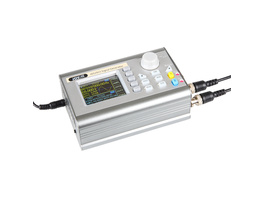
Joy-IT 2-Kanal-Signalgenerator und Frequenzzähler JT-JDS2915
Artikel-Nr. 251094
Der kompakte und mobile Signalgenerator gibt Sinus-, Rechteck-, Dreieck- und Arbiträrsignale im Frequenzbereich bis 15 MHz auf zwei getrennt programmierbaren Kanälen aus und kann als Frequenzzähler bis 100 MHz eingesetzt werden.
sofort versandfertig - Lieferzeit: 1-2 Werktage²
109,00 €
inkl. MwSt.Informationen zu Versandkosten