Sterling Silver
 14k Gold
 24k Gold Plated
 14k White Gold
 Rose Gold
 Birthstone
 Cubic Zirconia
 Leather
 Opal Jewelry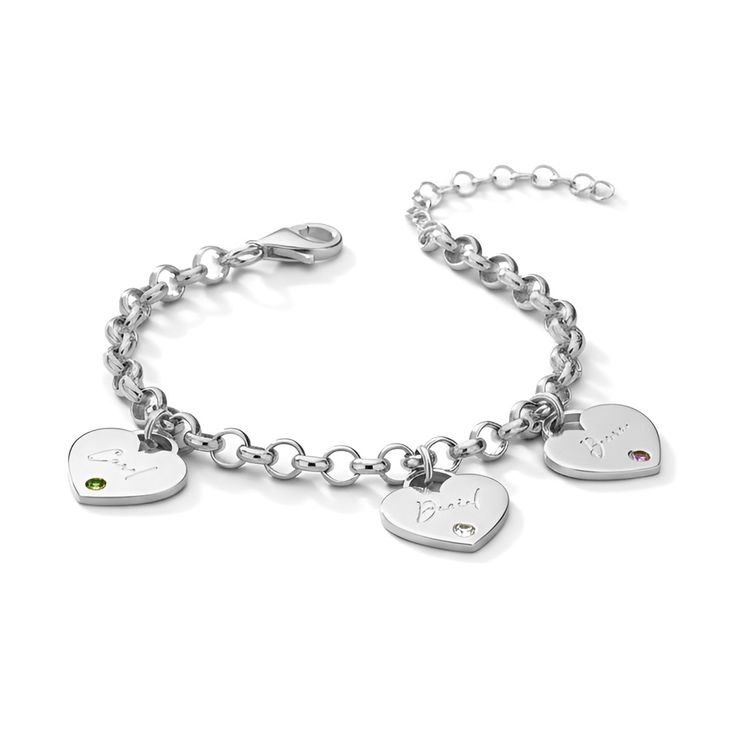


Р¤рёрєсѓ Рѕр°рєрѕрір°р»сњрѕрё / Anvil Image Fixer Apr 2026
Creates a low-res blurred version (LQIP) to show while the main image loads.
A simple area where users drop "broken" or heavy images. Creates a low-res blurred version (LQIP) to show
# Server Module import anvil.media from PIL import Image import io @anvil.server.callable def fix_image_asset(file): # 1. Load the uploaded media img_bytes = file.get_bytes() img = Image.open(io.BytesIO(img_bytes)) # 2. The "Fix": Resize if too large (e.g., max 1920px) max_size = (1920, 1080) img.thumbnail(max_size, Image.Resampling.LANCZOS) # 3. Convert to WebP for optimization out_io = io.BytesIO() img.save(out_io, format="WEBP", quality=80) # 4. Return as Anvil Media object return anvil.BlobMedia("image/webp", out_io.getvalue(), name="fixed_image.webp") Use code with caution. 3. UI/UX Component Load the uploaded media img_bytes = file
Removes unnecessary EXIF data to reduce file size without losing quality. 2. Technical Implementation (Python/Anvil Example) Return as Anvil Media object return anvil
A slider showing the original file size vs. the "fixed" file size. Status Indicator: "Fixed," "Optimized," or "Repaired." Why this is useful:
This feature automatically repairs broken image links, optimizes file sizes for web performance, and ensures color consistency across different display types. 1. Key Functionalities